What Key Fob Programming Actually Involves — and Why It Matters
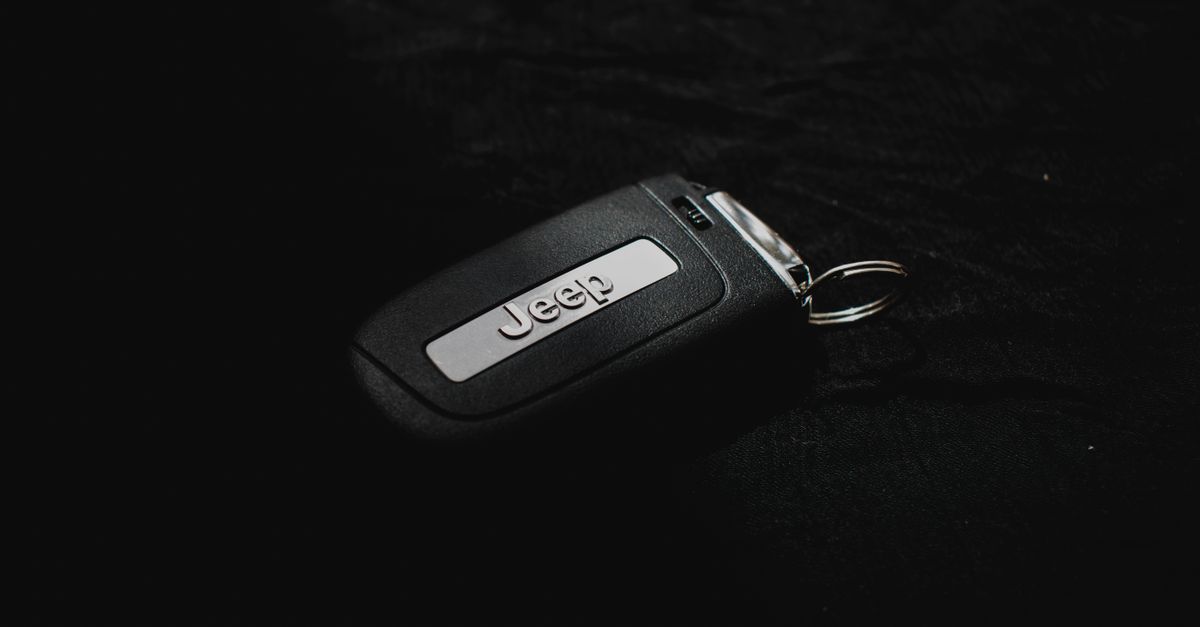
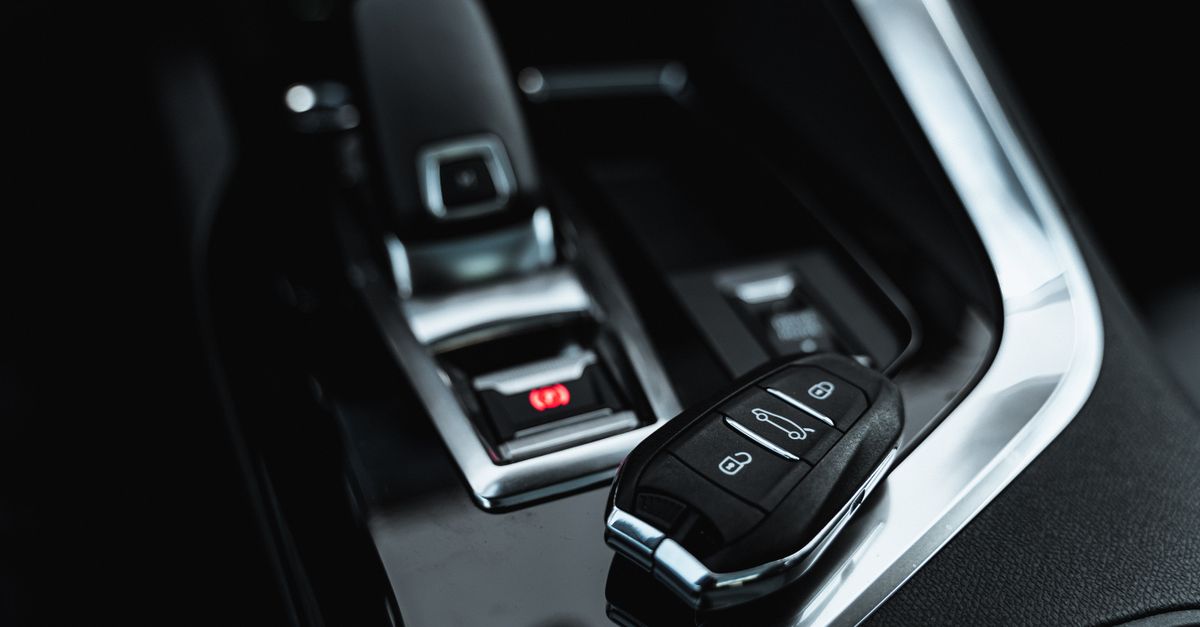
Modern vehicle key fobs are not simple radio transmitters. They communicate with your car's immobilizer system using rolling security codes, meaning each button press generates a unique encrypted signal. Programming a fob means synchronizing that device with your vehicle's onboard computer so the two recognize each other. When this synchronization is off — because a fob is new, replacement, or has lost its pairing — the car will not respond to lock, unlock, or remote-start commands, and in many cases the engine will not start at all. Our technicians use professional-grade OBD programming equipment to read and write to your vehicle's ECU directly, a process that requires both specialized tools and hands-on experience with the wide variation in protocols across manufacturers.
This is the core reason that key fob programming is not a one-size-fits-all job. A 2018 Toyota Camry, a 2021 Ford F-150, a 2016 BMW 3 Series, and a 2023 Chevrolet Silverado all use completely different immobilizer architectures, transponder chip types, and pairing sequences. Our team is trained and experienced across domestic, European, and Asian vehicle lines, which means we arrive prepared — not guessing. If your situation involves a smart key or proximity fob that also starts your engine, the programming process is more involved than a basic remote-entry fob, and we will walk you through exactly what is needed before any work begins.